Showing posts with label 1981 Films. Show all posts
Showing posts with label 1981 Films. Show all posts
Tuesday, August 28, 2018
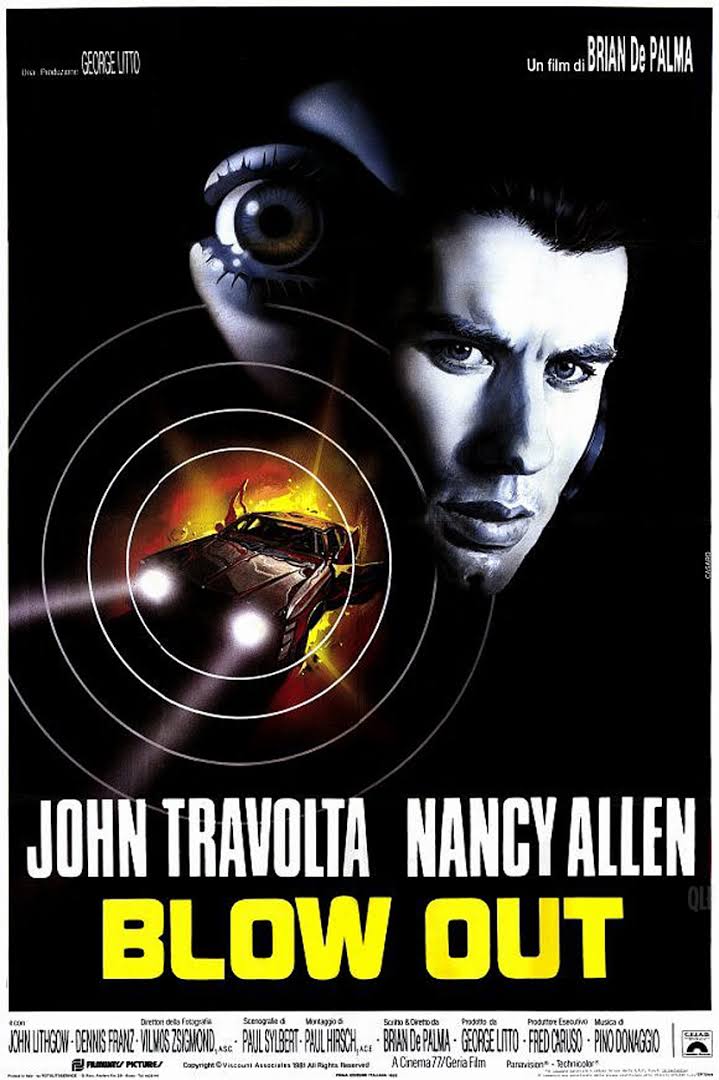
Short Take: Blow Out

Saturday, October 6, 2012
Short Take: An American Werewolf in London
This review was originally published on Pol Culture.
 The 1981 comic horror film An American Werewolf in London is a thinly conceived showcase for the wizardry of special-effects make-up artist Rick Baker. Director John Landis, who is credited with the script, didn’t come up with much of a story. A vacationing American college student (David Naughton) is trekking through the English countryside with his best friend (Griffin Dunne) when the two are attacked by a werewolf. The friend is killed, and the student is taken to London to recover from his injuries. The werewolf curse has been passed onto him, and at night, under a full moon, he becomes a monster and terrorizes the city. It shouldn’t have been too difficult to put together an entertaining horror movie from this. But Landis doesn’t flesh out the premise. He instead throws in everything but the kitchen sink to pad out the running time. The amount of extraneous material is just staggering: absurdist dialogues among the bit characters, inane bits of extended slapstick, softcore sex scenes, travelogue shots, discussions of old horror movies, and at least one dream sequence that seems intended for another project. But for all the clutter, the picture does have its moments. The dialogues between Naughton’s character and Dunne’s--the ghost of the Dunne character haunts him--are droll and extremely well played. There are also some good sight gags, most notably when the Naughton character wakes up in the wolf cage at the zoo. And the werewolf transformation sequences are awesome--the Oscar Rick Baker received for this film couldn’t have been more deserved. It’s too bad Landis couldn’t pull his ideas together into a dramatically focused story. Jenny Agutter plays the Naughton character's British girlfriend.

Subscribe to:
Posts (Atom)